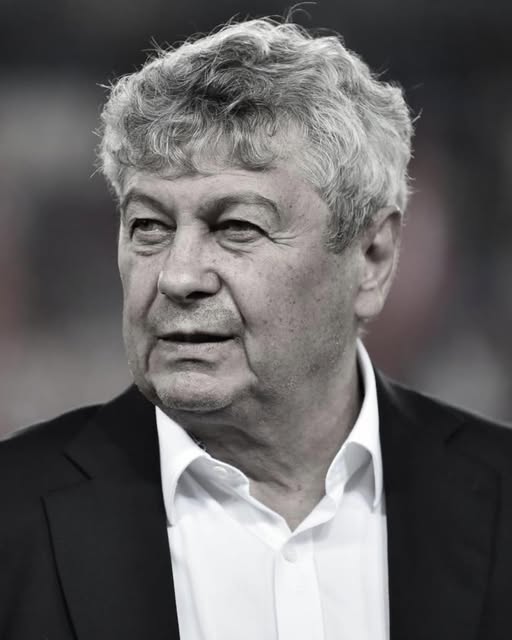
With deep sadness, the football world mourns the passing of Mircea Lucescu, who has died at the age of 80. Widely regarded as one of the most influential and accomplished managers in modern European football, Lucescu’s death marks the end of a remarkable era defined by tactical intelligence, longevity, and an unwavering passion for the game.
Lucescu’s career spanned nearly five decades, during which he built a legacy across multiple countries and elite clubs, including major successes with Shakhtar Donetsk, Galatasaray, Beşiktaş, Inter Milan, and the Romanian national team. His achievements included league titles across Europe and a UEFA Cup triumph in 2009, alongside a reputation for modernizing football structures and developing talent at scale.
In his later years, he remained deeply involved in the game, returning once again to manage Romania in a symbolic and emotional final chapter of his coaching journey. His passing follows a period of serious health complications, including a reported heart attack in recent days.
Tributes have poured in from across world football. UEFA President Aleksander Čeferin described Lucescu as “one of the game’s true originals — a man of rare football intellect, remarkable dignity and passion,” reflecting the widespread respect he commanded not only for his trophies, but for his vision of the game and his influence on generations of coaches and players.
Beyond the statistics and silverware, Lucescu will be remembered for his football philosophy: disciplined, innovative, and deeply human in its emphasis on growth and education. His legacy endures in the many teams he shaped, the players he developed, and the tactical ideas he helped bring into the modern era of the sport.
Mircea Lucescu’s passing leaves a profound void in world football, but his influence will remain woven into the fabric of the game for decades to come.